What Is Thermal Arc Sprayed Metallic Coating?
Thermal arc sprayed metallic coating is a surface engineering process in which metallic wire or powder is melted by an electric arc and atomized by compressed air, then propelled onto a prepared substrate. The coating builds a protective layer that improves corrosion resistance, wear life, and sometimes electrical or dimensional properties on steel, cast iron, and selected alloys.
The process is widely grouped under thermal spray or metalizing and is used when galvanizing is impractical, when thick rebuild layers are required, or when components cannot be dipped in molten zinc baths.
How Thermal Arc Spray Coating Works
- Surface preparation — blast cleaning to Sa 2½ or equivalent so the coating bonds mechanically.
- Arc melting — two consumable wires (or powder feed) are energized; an arc melts the tip.
- Atomization & deposition — air streams molten particles onto the rotating or stationary part.
- Sealing — optional sealers or topcoats lock porosity and extend service life.
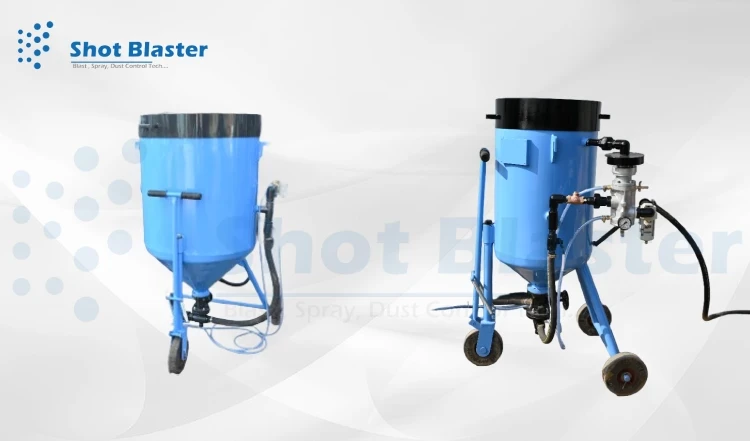
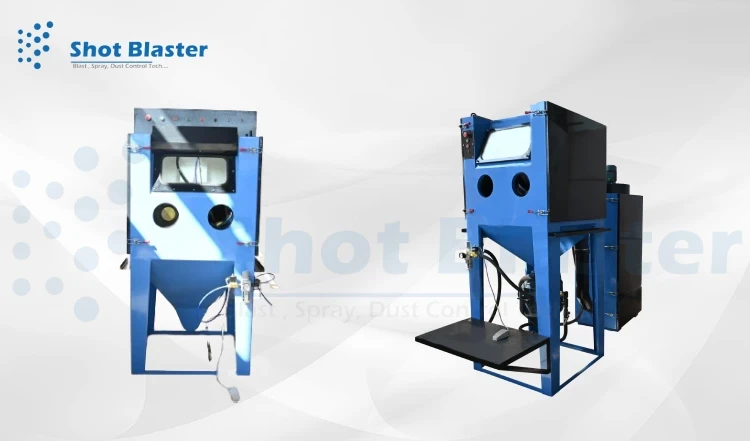
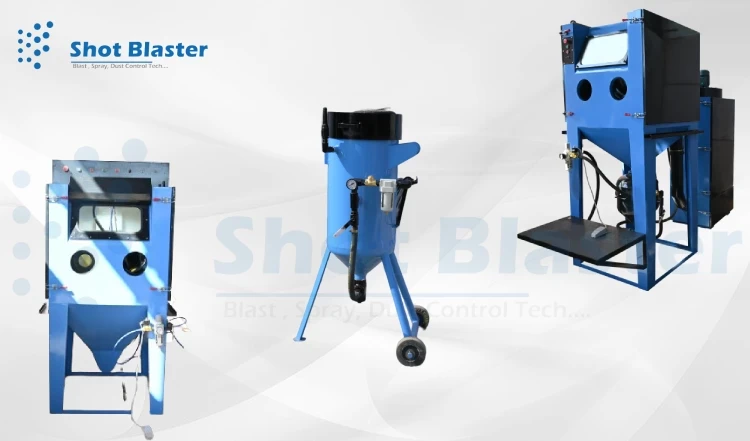
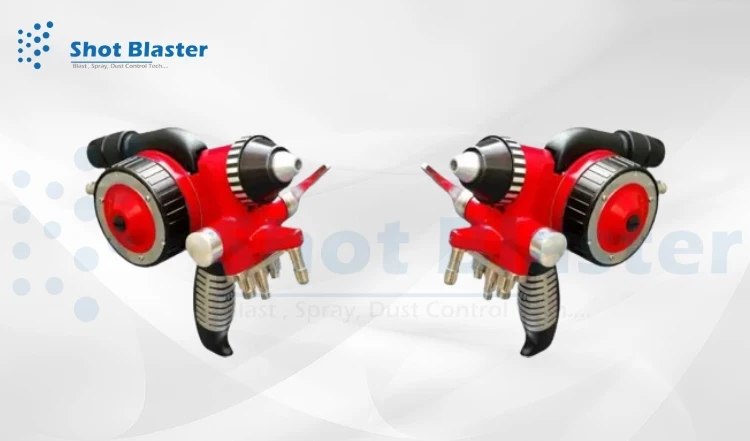
Equipment such as a thermal spray gun must be matched to wire diameter, spray rate, and shop compressed air quality. Many plants pair spraying with shot blasting machines or blasting cabinets for consistent surface profile before metalizing.
Wire Arc Spray vs Flame Spray vs HVOF
- Wire arc spray — high deposition rate, economical for large steel structures and tanks.
- Flame spray — versatile for metals, ceramics, and powders at moderate rates.
- HVOF / plasma — denser coatings for precision components (often outsourced to specialists).
Benefits of Arc Sprayed Metallic Coatings
- Long-term corrosion protection on bridges, pipelines, and marine steel.
- Rebuild of worn shafts, rolls, and bearing seats within tolerance after machining.
- On-site application possible on installed structures with portable equipment.
- Zinc, aluminum, and alloy wires available for different environments.
Typical Applications in Industry
Infrastructure & Heavy Engineering
Structural steel, lock gates, and offshore modules are arc sprayed with zinc or aluminum after abrasive blasting. Proper profile and cleanliness are more important than coating thickness alone.
Oil & Gas and Storage Tanks
Tank bottoms, roofs, and pipe exteriors benefit from metalizing where cathodic protection must be supplemented. Blasting preparation is often performed with portable blasting equipment before spray crews mobilize.
Manufacturing & Maintenance
Rolls, hydraulic rods, and machine frames are rebuilt by spraying machinable alloys, then grinding to final size. Pairing thermal spray with production conveyor blast lines keeps preparation cycles short.
Quality Factors That Determine Coating Life
- Abrasive profile and absence of contaminants (oil, salts, mill scale).
- Ambient humidity and dew point during application.
- Wire chemistry matched to service environment (rural, marine, chemical).
- Seal coat compatibility with subsequent paint systems.
Use calibrated steel shot or grit recycling systems so blast media does not contaminate sensitive surfaces before spray.
Thermal Spray Equipment Available from Shot Blaster
We manufacture and supply thermal spray guns and related consumables for workshops adding metalizing capacity. Discuss wire type, production hours, and power requirements when requesting a quotation from our products catalogue.
Surface Preparation Before Metalizing
Coating adhesion fails when blasting is skipped or under-specified. Standard practice includes:
- Degrease if necessary, then dry abrasive blast.
- Measure profile with test strips or gauges.
- Apply thermal spray before oxidation (hold time per specification).
For enclosed component prep, a shot blasting cabinet or hanger type machine may be integrated upstream of the spray bay.
Further Reading
Explore thermal spray and sand blasting machine equipment and shot blasting machine for surface preparation for complementary process planning alongside arc spray coating.
Request Technical Support
If you are specifying thermal arc sprayed metallic coating for a new project, share substrate details, environment class, and required thickness. Shot Blaster will advise on blasting preparation equipment and thermal spray gun options suitable for your production layout.